


Turkish coffee is one of the oldest brewing methods in the world — and precisely because it looks so simple, it's also one of the easiest to get wrong. A cezve, coffee, water, and a little patience... sounds easy, right? Yet even a small mistake can change the foam, texture, and flavor of your cup. Here are the 5 mistakes we see most often when brewing Turkish coffee, and how to fix them.
1. Using Coffee Ground Too Coarse
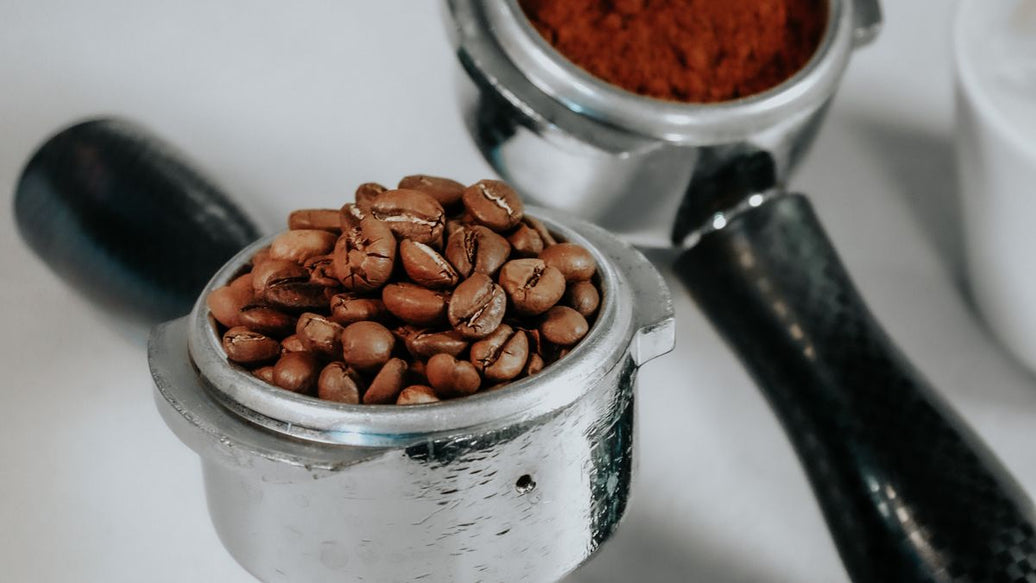
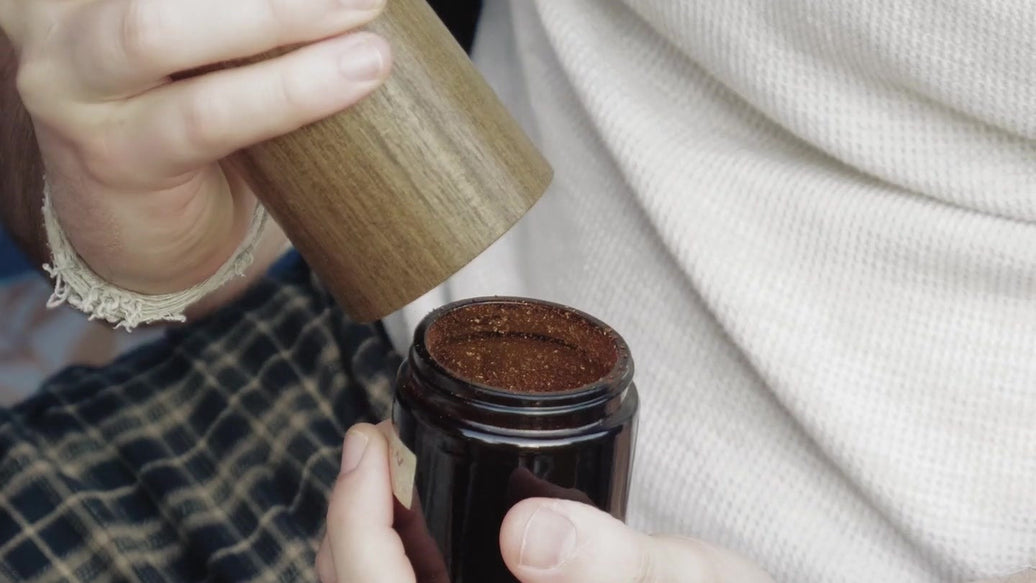
Turkish coffee is ground finer than any other coffee — almost powder-fine. If you try to brew it with coffee ground for filter or espresso, the grounds won't dissolve properly in the water: your coffee stays watery and never develops that signature foam. If you grind at home, set your grinder to its finest setting; if you're not sure, pre-ground Turkish coffee is the safest choice.
2. Starting With Hot or Boiling Water
The secret of Turkish coffee is that the coffee and water heat up together, slowly. Adding coffee to water that's already hot or boiling shocks the grounds, releases the aroma compounds unevenly, and leaves the coffee tasting bitter. The right way: start with cold water in the cezve, add the coffee (and sugar, if using), and heat everything together on low heat.
3. Keeping the Heat Too High
Turkish coffee doesn't like to be rushed. On high heat, it boils fast, overflows, and loses its foam — and the fine grounds get stirred back into the water, leaving a thick, bitter sediment at the bottom of the cup. For the best result, brew slowly on low-to-medium heat, and turn it down further as soon as the first foam starts to form at the edge of the cezve.
4. Stirring the Coffee After It Boils
This is one of the most common mistakes: stirring the cezve with a spoon after taking it off the heat, "just to mix it properly." That motion breaks up the precious foam on top and stirs the grounds back into the liquid. Stirring should only happen before the cezve goes on the heat, until the coffee, water, and sugar are fully combined. Once it's on the stove — and after — leave it alone; the coffee will settle on its own.
5. Drinking It the Moment It's Poured
It's tempting to drink Turkish coffee the second you pour it, but a few seconds of patience makes a real difference. Let the coffee rest in the cup for at least 30 seconds to a minute so the grounds can settle to the bottom. Coffee drunk too quickly brings the grounds to your lips, and tastes harsher than it should.
A Tip From 1543
The right technique only pays off with the right grind and fresh coffee. Every pack in 1543's Turkish coffee range is ground fresh to order, so you can always count on the fineness and freshness of what goes into your cezve. And make sure you're storing it properly, too — you'll find our tips in our storage guide.
In short...
Brewing Turkish coffee isn't a science — it's a small ritual. Start with cold water, use finely ground fresh coffee, keep the heat low, don't stir after it boils, and let it rest for a few seconds before drinking. Follow these five simple rules, and a foamy, rich, genuinely Turkish cup of coffee will be waiting for you every time.







Leave a comment