


No matter how good your beans are, storing them the wrong way strips their freshness within days. And if your espresso machine at home pulls a perfect shot one day and a disappointing one the next with the exact same settings, the culprit is usually not the bean itself but how it was stored, or how the grinder's behavior quietly shifts from day to day. In this guide, we'll look at how to properly store whole bean, filter, and Turkish coffee, and why your grinder never quite performs the same way twice.
The Three Enemies of Coffee: Moisture, Light, and Heat
Coffee beans are a delicate product because of the oils and aromatic compounds they contain. Moisture can swell the bean and eventually lead to mold; direct sunlight breaks down aromatic oils quickly; heat speeds up oxidation, the process by which beans react with air and lose freshness. Taken together, coffee's biggest enemy is exposure to oxygen — which is why an airtight seal matters at every stage.
How to Store Whole Bean Coffee
Whole beans degrade much more slowly than ground coffee, since far less surface area is exposed to oxygen. Still, a few rules make a real difference:
- Use an airtight, opaque container — light-blocking metal or ceramic containers protect better than glass jars
- Keep it cool and dark — never near the oven, stovetop, or a sun-lit counter
- Skip the refrigerator — moisture and odors in the fridge can transfer to the beans, and condensation from repeated opening degrades freshness fast
- Buy in small batches — buying and finishing a 2-3 week supply beats a large bag that sits in the cupboard for months
How to Store Filter (Ground) Coffee
Ground coffee has far more surface area than whole beans, so it reacts with oxygen much faster. Ideally, grind only what you need for filter coffee right before brewing. If that's not possible, store ground coffee under the same airtight, dark conditions and try to use it within 2-3 weeks of opening — beyond that, the loss of aroma becomes noticeable.
How to Store Turkish Coffee
Turkish coffee is ground finer than any other coffee type, which makes it the most sensitive to storage conditions: its almost powder-fine grind dramatically increases the surface area exposed to oxygen. That's why Turkish coffee loses freshness faster than any other form. At 1543 Kuru Kahve, every pack is ground to order and shipped immediately, so it arrives at your door as fresh as possible — but once you open the pack at home, the same care applies: store it in an airtight container, somewhere cool and dark, and ideally finish a 200-gram pack within 3-4 weeks. Leaving the pack right next to the stove isn't a good idea either — that spot heats up and cools down every time you brew, and those temperature swings burn off the aroma of any coffee stored nearby.
Why Doesn't Your Espresso Grinder Perform the Same Every Day?
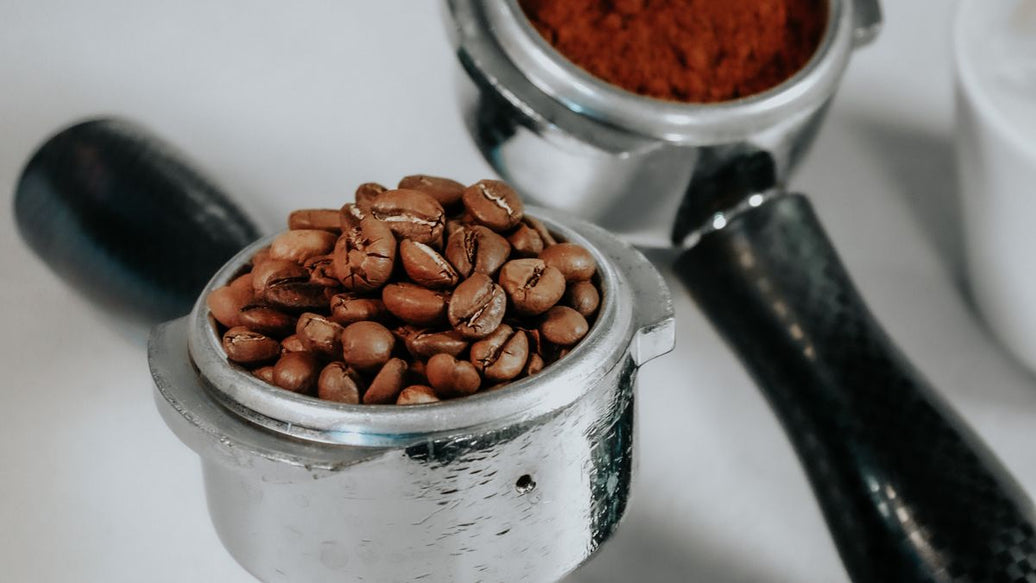
It's completely normal for your home espresso grinder to nail it one day and give a different result the next with the exact same setting — because grinder performance is affected by several variables at once:
- Humidity and temperature swings — high humidity causes clumping and slower water flow; low humidity increases static, leading to uneven grind distribution
- Freshness of the beans — freshly roasted beans may still be releasing CO2, which changes bloom time and grind needs throughout the day
- Roast level — light roasts are denser and need a finer grind, while dark roasts are more brittle and need a coarser one
- Burr wear — grinder burrs dull with use; as a general rule, they should be replaced after grinding 300-600 kg of coffee, or the grind becomes increasingly uneven
- Static and retention — old grounds left behind in the chamber mix with fresh grinds, throwing off both flavor and calibration
Because of these variables, a grinder isn't a "set it and forget it" tool — it needs regular recalibration: every 2-4 weeks for home use, and weekly for busy or commercial setups.
A Practical Storage and Grinder Checklist
- Use an airtight, opaque container
- Store coffee in a cool, dark cupboard — not the fridge or freezer
- Buy in small batches and finish within 2-4 weeks
- Grind only what you need, whenever possible
- Recalibrate your grinder every 2-4 weeks, and plan to replace burrs after 300-600 kg
- Clean the hopper and burrs regularly to remove old retained grounds
Recommendations from 1543
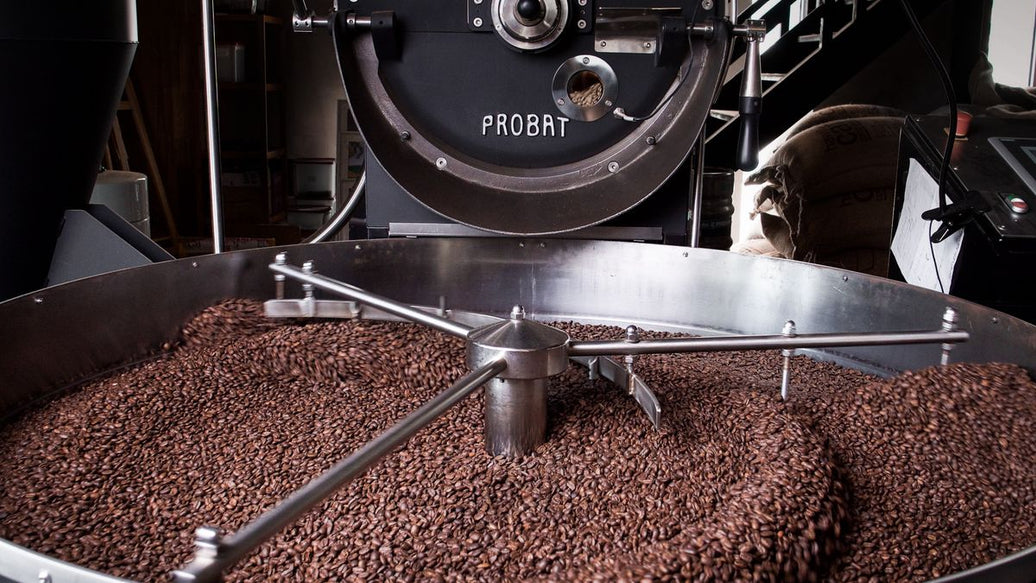
That's why, at 1543 Kuru Kahve, we roast in small weekly batches and grind Turkish coffee to order — you can read more about our roasting process in this article. If you store your coffee properly at home and keep your grinder regularly calibrated, getting the same quality in every cup becomes much easier. Explore all our Turkish coffee and filter coffee varieties.
In short...
Coffee's biggest enemies are moisture, light, and heat; the shared rule for beans, filter, and Turkish coffee is airtight, dark storage. The day-to-day swings in your espresso grinder's performance aren't a malfunction — they're the natural result of variables like humidity, temperature, bean freshness, and burr wear. Regular checks and recalibration keep those swings to a minimum.




Leave a comment